
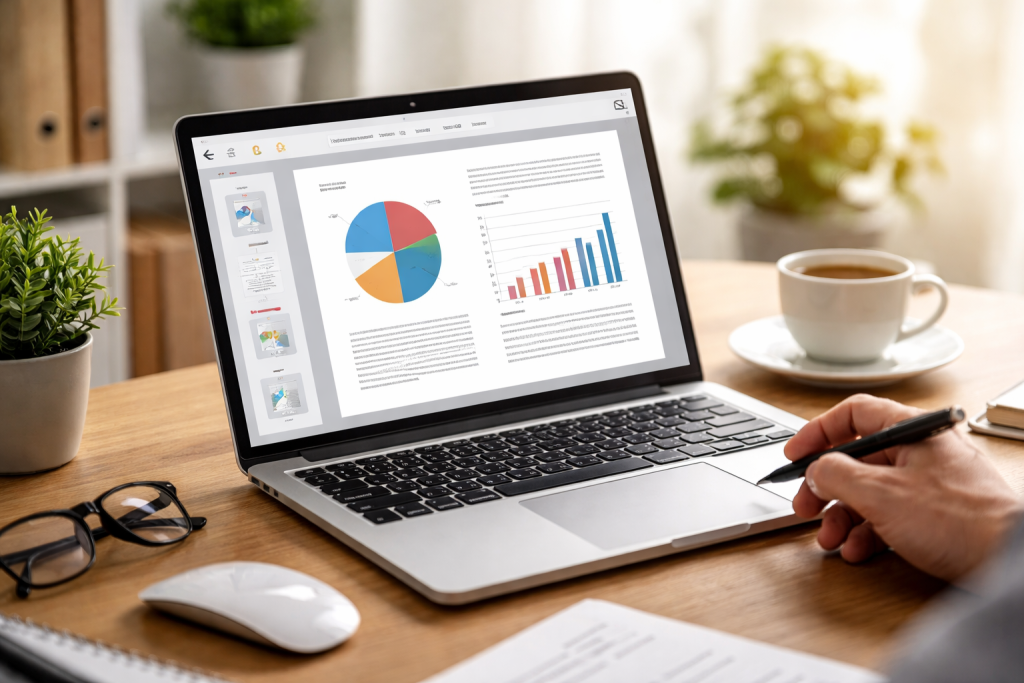
PDFs are a pervasive document format. Their ability to preserve formatting across platforms makes them essential for sharing and archiving information. A PDF reader is software designed to open, view, and often interact with these files. Without a good PDF reader, these documents can be difficult to access or utilize fully. The right software acts as a key unlocking a library of information.
Contents
- 1 The Role of PDF Reader Software
- 2 Selecting a PDF Reader: Key Considerations
- 3 Top PDF Reader Software Options Compared
- 4 Integrating PDF Reader Software into Your Workflow
- 5 Maximizing Benefits: Tips for Choosing and Using
- 6 FAQs
- 6.1 What is PDF reader software and why is it important?
- 6.2 What are the key features to look for in PDF reader software?
- 6.3 How can PDF reader software enhance productivity?
- 6.4 What are some tips for choosing the right PDF reader software for individual needs?
- 6.5 What are some advanced functions and customization options available in PDF reader software?
The Role of PDF Reader Software
PDF reader software serves as a gateway to digital documents. It allows users to open files created in the PDF format. Beyond simple viewing, many PDF readers offer tools to improve how users interact with these documents. This interaction can range from basic navigation to more advanced annotation and editing. The software bridges the gap between a static document and a dynamic user experience.
Why PDF Readers are Necessary
Imagine a book without pages or a map without pathways. A PDF file requires a program to render its contents into a readable format. Without a dedicated PDF reader, one cannot effectively view the text, images, and other elements within a PDF. This necessity extends to various fields, including education, business, and personal document management. For example, academic papers, legal contracts, and user manuals are frequently distributed as PDFs. Accessing this information efficiently depends on reliable reader software. A reputable PDF reader ensures the intended layout and design of the document are maintained, preventing formatting issues that can occur when opening PDFs with incompatible programs.
Impact on Document Accessibility
PDF readers improve document accessibility. Many offer features that benefit users with diverse needs. Text-to-speech functions, for example, can read document content aloud. High-contrast modes and adjustable text sizes help individuals with visual impairments. These features make information more available to a wider audience. The software transforms a static document into an adaptable resource.
Selecting a PDF Reader: Key Considerations
Choosing a PDF reader involves evaluating several factors. The optimal choice depends on individual user requirements and common use cases. There is no single “best” reader for everyone, as needs vary from simple viewing to extensive document manipulation.
Essential Features
A PDF reader should provide core functionalities. These include opening and displaying PDFs accurately, navigating through pages, zooming in and out, and searching for specific text. These basic features form the foundation of any useful PDF reader. Without them, even simple document review becomes cumbersome. The software should act as a clear lens through which to view documents.
Advanced Capabilities
Beyond the basics, many PDF readers offer advanced features. Annotation tools allow users to highlight text, add notes, and draw on documents. This is useful for students reviewing papers or professionals marking up contracts. Form-filling capabilities enable users to interact with digital forms directly within the PDF. Digital signature options add a layer of security and authenticity to documents. OCR (Optical Character Recognition) transforms scanned images of text into searchable and editable text. These features move the software beyond a mere viewer, transforming it into a robust document management tool.
User Interface and Performance
The user interface (UI) of a PDF reader influences its usability. A clear and intuitive UI enables users to locate tools and functions effortlessly. Performance is also crucial. A good PDF reader should open large files swiftly and navigate between pages seamlessly. It should function like a well-maintained machine, not a cumbersome relic.
Top PDF Reader Software Options Compared
Various PDF readers are available, each with its strengths and weaknesses. This section examines some prominent options.
Adobe Acrobat Reader
Adobe Acrobat Reader is widely recognized as the standard for PDF viewing. It is often pre-installed on computers or readily available for download. It offers reliable viewing of PDFs, including forms and multimedia elements. Its free version provides essential functions like viewing, printing, and commenting. Paid versions, like Adobe Acrobat Pro, extend functionality to include creation, editing, and advanced security features. Its ubiquity means most PDFs are designed for optimal viewing within its ecosystem.
Foxit Reader
Foxit Reader is known for its lightweight design and quick performance. It offers a comprehensive set of features in its free version, including annotation tools, form-filling capabilities, and cloud integration. For users who prioritize speed and a less resource-intensive application, Foxit is a strong contender. It aims to provide many Adobe Acrobat features without the larger footprint.
SumatraPDF
SumatraPDF stands out for its minimalist approach. It is an open-source, highly portable application designed for quick document viewing. It supports not only PDFs but also ePub, Mobi, XPS, DjVu, CHM, and Comic Book (CBZ and CBR) formats. Its small size and rapid loading times make it suitable for users who need a no-frills viewer without extra features. It is like a pocket knife; simple, but effective for its primary purpose.
PDF-XChange Viewer/Editor
PDF-XChange provides a robust set of tools for viewing, editing, and annotating PDFs. Its free viewer offers more features than many competitors, including OCR support and extensive annotation options. The paid editor version expands on these capabilities, providing powerful editing tools. It strikes a balance between feature richness and performance, appealing to users who need more than basic viewing but are not ready for a full-scale professional editor.
Microsoft Edge (Built-in PDF Viewer)
Microsoft Edge, the default browser for Windows, includes a built-in PDF viewer. This viewer allows basic functions like viewing, printing, and searching. It offers a convenient, integrated solution for many users, eliminating the need to install separate software for basic PDF tasks. While not as feature-rich as dedicated PDF readers, its seamless integration into the operating system makes it a practical option for casual use. It’s like having a basic map in your car; good enough for simple trips.
Integrating PDF Reader Software into Your Workflow
| PDF Reader Software | Benefits | Challenges |
|---|---|---|
| Adobe Acrobat | Advanced editing features | Expensive subscription |
| Foxit Reader | Fast and lightweight | Limited advanced features |
| Nitro PDF | Collaboration tools | Compatibility issues |
A PDF reader should not operate in isolation. Its effectiveness increases when it integrates smoothly into a user’s existing workflow. This integration can enhance productivity and streamline document management.
Document Management and Organization
Many PDF readers offer features that assist with document management. The ability to merge PDF files, split them, or rearrange pages improves organization. Some software can even integrate with cloud storage services, allowing users to access and save documents directly from the reader. This connectivity ensures that PDFs are not just viewed, but actively managed within a larger digital ecosystem. Consider it a well-organized filing cabinet, not just a viewing portal.
Collaboration and Sharing
PDFs are often shared for collaboration. Features that enable easy sharing, commenting, and reviewing facilitate teamwork. Cloud-based PDF readers or those with robust sharing options allow multiple users to work on the same document, track changes, and provide feedback. This promotes collaborative workflows, whether for academic projects or professional reports. The software effectively becomes a shared workbench.
Maximizing Benefits: Tips for Choosing and Using
Choosing the right PDF reader involves an assessment of current and future needs. Once selected, effective use of the software can significantly enhance productivity.
Aligning Software with Specific Needs
Before choosing, assess your primary use cases. Do you only need to view documents, or do you require extensive annotation and editing? Are you a student, a business professional, or an occasional user? For simple viewing, a lightweight or built-in reader may suffice. For heavy academic or professional work, a feature-rich, dedicated application will be more beneficial. Consider factors like budget, operating system compatibility, and potential integration with other software you use.
Mastering Features for Productivity
Once a reader is chosen, invest time in understanding its features. Many users only scratch the surface of what their PDF software can do. Explore annotation tools, learn keyboard shortcuts for navigation, and understand how to use advanced search functions. For example, learning to use stamps, digital signatures, or OCR can save significant time. Familiarity with the software’s full capabilities turns a simple viewer into a powerful tool. It’s like learning to drive a car versus just riding in it; understanding its mechanics unlocks its full potential.
Regular Updates and Security
Keep your PDF reader software updated. Software updates often include security patches that protect against vulnerabilities, and performance improvements that enhance stability. Using outdated software can expose you to security risks. Regular updates ensure that the software remains efficient and secure, protecting both your documents and your system. This vigilance is a key part of responsible digital hygiene.
FAQs
What is PDF reader software and why is it important?
PDF reader software is a tool that allows users to open, view, and interact with PDF (Portable Document Format) files. It is important because PDF is a widely used file format for sharing and presenting documents, and having the right PDF reader software can enhance the reading experience and productivity.
What are the key features to look for in PDF reader software?
Key features to look for in PDF reader software include the ability to annotate and mark up PDFs, support for digital signatures, text search functionality, easy navigation tools, compatibility with various devices and operating systems, and security features such as password protection and encryption.
How can PDF reader software enhance productivity?
PDF reader software can enhance productivity by allowing users to easily access and navigate through documents, annotate and highlight important information, fill out forms digitally, collaborate with others on shared documents, and integrate with other tools and workflows.
What are some tips for choosing the right PDF reader software for individual needs?
Some tips for choosing the right PDF reader software include considering the specific features and functionalities needed, evaluating compatibility with existing devices and software, reading user reviews and ratings, and taking advantage of free trials or demos to test out the software before making a decision.
What are some advanced functions and customization options available in PDF reader software?
Advanced functions and customization options in PDF reader software may include advanced annotation tools, integration with cloud storage services, support for multimedia content within PDFs, customizable viewing modes, and the ability to create and edit PDFs.

Hamza Khan is the author and founder of TechFixLogic.info, a platform dedicated to providing practical software guides, tech solutions, and cybersecurity awareness. With a strong interest in technology and digital security, Hamza focuses on creating easy-to-understand tutorials that help users fix software issues, improve their digital skills, and stay safe online.
Through TechFixLogic.info, he shares step-by-step guides, troubleshooting tips, and cybersecurity insights designed for beginners as well as regular computer users. His goal is to simplify technology and make reliable tech knowledge accessible to everyone.


