
Contents
- 1 Understanding PC Optimization
- 2 The Advantages of Using Optimization Software
- 3 Evaluating Top PC Optimization Tools
- 4 Choosing the Right Optimization Software for You
- 5 A Practical Approach to PC Optimization
- 6 Maintaining a Fast and Efficient Computer
- 7 FAQs
- 7.1 What is PC optimization software, and why is it important?
- 7.2 What are the benefits of using PC optimization software?
- 7.3 What factors should be considered when choosing PC optimization software?
- 7.4 What are the top features to look for in PC optimization software?
- 7.5 How can PC optimization software improve a computer’s performance?
Understanding PC Optimization
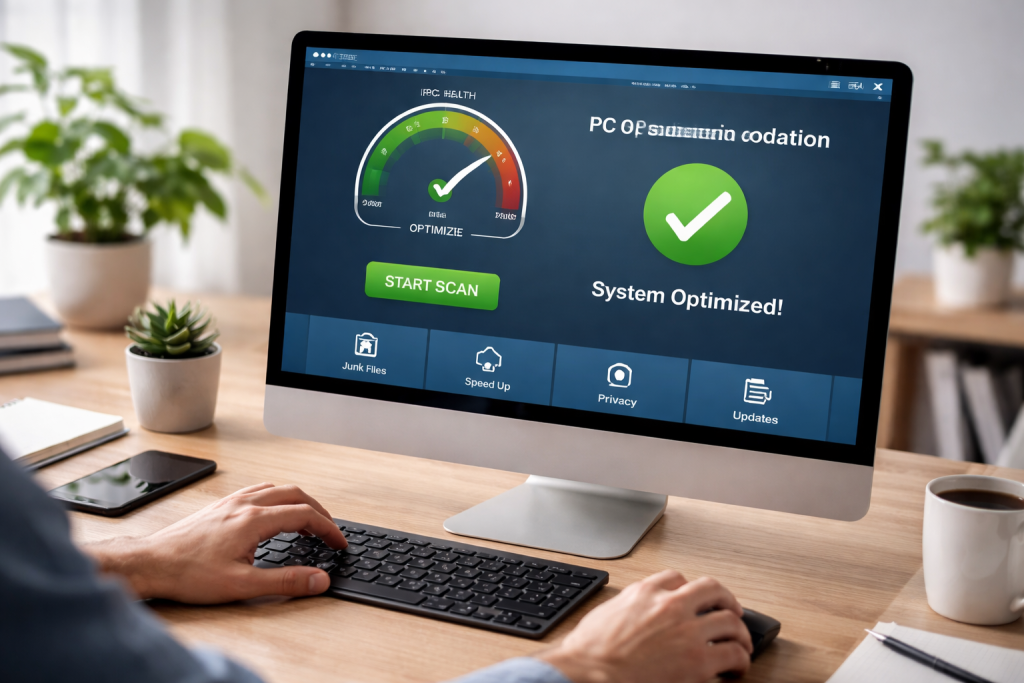
A computer’s performance can degrade over time. This slowdown, often perceived as a general sluggishness or a lag in operations, stems from various factors. Understanding these factors is the first step toward improving a computer’s speed and responsiveness. This section reviews the core reasons behind declining PC performance and introduces the concept of optimization as a solution.
Why Computers Slow Down
Several common culprits contribute to a computer’s gradual loss of speed. Installing and uninstalling applications can accumulate temporary files and registry entries, leading to digital clutter. These remnants, much like small piles of debris on a desk, can hinder the smooth operation of your system. Similarly, programs that launch automatically when your computer starts can consume valuable resources, meaning your machine spends more time booting up and less time being productive.
Over time, hard drive fragmentation can also occur. Think of your hard drive as a library. Parts of saved files may disperse across various shelves. Over time, this scattering makes it harder for the system to retrieve complete information quickly. The longer a file is split into many pieces, the more work the drive has to do to reassemble it, leading to slower loading times for programs and files.
Furthermore, the accumulation of malware and viruses can significantly impact performance. These malicious programs can run in the background, stealing processing power and interfering with legitimate operations. Poorly coded or excessively designed programs can cause a slowdown even if they appear harmless.
The Concept of PC Optimization
PC optimization, in essence, is the process of fine-tuning your computer’s software and settings to improve its speed, efficiency, and overall stability. It’s about clearing out the unnecessary, organizing the essential, and ensuring everything runs as smoothly as possible. Imagine a well-tuned engine; it runs with less noise, uses fuel more efficiently, and delivers its power with greater responsiveness. PC optimization aims to achieve a similar state for your computer, stripping away the drag and allowing it to perform at its peak.
This process can involve several distinct actions. It might mean removing unwanted programs and their associated files, cleaning out temporary data that serves no current purpose, and repairing or cleaning the Windows registry, which acts as a central database for system settings. Optimization also includes managing startup programs to ensure only necessary applications begin with your operating system. By addressing these areas, you effectively reduce the workload on your computer’s processor and memory, freeing them up for the tasks you actually want to accomplish.
The Advantages of Using Optimization Software
Optimization software offers a systematic and often automated approach to improving computer performance. Instead of manually sifting through system settings and files, these tools provide a guided path to a faster machine. The benefits extend beyond mere speed, touching upon system stability and security.
Speed and Responsiveness Gains
The most noticeable benefit of PC optimization software is the improvement in speed. After a thorough optimization, you will likely find that your computer starts up faster, applications launch more quickly, and switching between tasks becomes a smoother experience. This is akin to decluttering your workspace; with fewer distractions and a clearer path, you can move from one task to the next with greater ease and efficiency. Programs that previously felt sluggish to open or operate will respond with more immediacy.
Improved System Stability
Beyond speed, optimization software can also enhance system stability. By cleaning up errors in the Windows registry and removing corrupted files, these tools can prevent common issues like application crashes and unexpected shutdowns. A stable system is one that you can rely on, reducing frustration and the need for frequent troubleshooting. This kind of maintenance is like ensuring the foundation of a building is sound; it provides a solid base for everything else to function correctly.
Enhanced Security
While not its primary function, some optimization tools include features that can contribute to a more secure computing experience. By identifying and removing potentially unwanted programs (PUPs) that may have been installed without your full knowledge, or by scanning for and removing basic malware, these tools can help close potential security loopholes. A streamlined system with fewer unnecessary programs running can also present a smaller target for cyber threats.
Evaluating Top PC Optimization Tools
The market offers various PC optimization software, each with its own set of features and approaches. Evaluating these tools requires a clear understanding of what constitutes effective optimization and what capabilities are most beneficial for the average user. This section will compare some of the leading programs, highlighting their strengths and weaknesses to help you make an informed choice.
Feature Comparison
When comparing optimization tools, several key features stand out. System cleaners are fundamental, tasked with removing temporary files, browser cache, and other digital detritus. Registry cleaners are also crucial, as a cluttered or corrupted registry can lead to significant performance issues. Tools that offer startup program management are valuable for controlling what launches when your computer boots. More advanced suites may also include driver updaters, malware scanners, and disk defragmenters.
Performance Benchmarks
Actual performance gains can vary between different software solutions and even between different versions of the same software. Some tools focus on a broad sweep of optimization, while others employ more targeted approaches. It is important to consider how a tool impacts not only the speed of your system but also its overall stability. A tool that drastically alters system files without proper safeguards can cause more harm than good. Reviews and independent benchmarks can offer insight into which tools consistently deliver measurable improvements without introducing instability.
User Interface and Ease of Use
For many users, the user interface (UI) and ease of use are paramount. An effective optimization tool should be intuitive enough for someone with limited technical knowledge to navigate easily. Complex menus and unclear instructions can lead to mistakes or abandonment of the software. A well-designed UI guides the user through the optimization process, presenting options clearly and explaining the potential impact of each action. This process is like having a helpful guide on a journey; they point out the important landmarks and keep you on the right path.
Choosing the Right Optimization Software for You
| Software Features | Optimization Software A | Optimization Software B | Optimization Software C |
|---|---|---|---|
| Customization | Yes | No | Yes |
| Integration with other tools | Yes | No | Yes |
| Reporting and Analytics | Yes | Yes | No |
| Cost |
Selecting the correct PC optimization software is a personal decision that depends on individual needs and technical comfort levels. What works for a power user might be overkill for someone who only uses their computer for basic tasks. This section provides guidance on the factors to consider when making this choice.
Assessing Your Computer’s Needs
The first step in choosing an optimization tool is to honestly assess your computer’s current state. Is your computer experiencing minor slowdowns, or is it nearly unusable? Do you suspect malware is involved, or is it simply a case of accumulated digital clutter? If your computer is relatively new and only exhibits minor sluggishness, a lighter, less aggressive optimization tool might be sufficient. However, if you have an older machine or have noticed significant performance degradation, a more comprehensive suite might be necessary.
Understanding Different Software Tiers
PC optimization software often comes in different versions, ranging from free basic tools to paid, feature-rich professional suites. Free options can be useful for routine maintenance, such as clearing temporary files, but they may lack the advanced scanning and repair capabilities of their paid counterparts. Paid software typically offers more robust features, dedicated customer support, and a higher level of assurance regarding system safety. Consider your budget and the depth of optimization you require when evaluating these tiers.
Considering Free Trials and Guarantees
Many reputable PC optimization software providers offer free trials. This allows you to test the software on your computer and evaluate its effectiveness firsthand. It’s a practical way to see if the tool delivers on its promises before committing financially. Additionally, some companies provide money-back guarantees, which can offer an extra layer of purchase security. Reading reviews and understanding the refund policy can help mitigate the risk of choosing software that doesn’t meet your expectations.
A Practical Approach to PC Optimization
Optimizing your PC doesn’t always require extensive technical expertise. By following a structured approach, you can effectively improve your computer’s performance. This section outlines a step-by-step guide to the optimization process, focusing on common areas that require attention.
Step-by-Step Optimization Process
Begin with backing up your important data. This is a crucial safety net in case any unintended issues arise during the optimization process. Next, uninstall any programs you no longer use. This frees up disk space and removes potential background processes associated with these applications. Then, run a disk cleanup tool to remove temporary files, system logs, and other non-essential data. This process is akin to tidying up your immediate workspace.
Following this, consider running a defragmenter if you have a traditional hard disk drive. This process reorganizes scattered file fragments, improving access times. For Solid State Drives (SSDs), this step is generally not necessary and can even be detrimental. Next, manage your startup programs. Disable any applications that do not need to launch automatically when your computer turns on, as this technique significantly speeds up boot times. Finally, consider using a reputable registry cleaner, but do so with caution and ensure the software has a strong backup feature.
Managing Startup Programs
Startup programs are a common cause of slow boot times. To manage them, navigate to the Task Manager (Ctrl+Shift+Esc) in Windows, then select the “Startup” tab. Here, you will find a list of applications that launch when you log in. You can disable entries that you don’t need running immediately. Avoid disabling essential system processes, as they often have clear labels. It’s a good practice to disable programs that are not part of the operating system or critical security software.
Disk Cleanup and Defragmentation
Disk cleanup utilities are built into most operating systems and are a simple yet effective way to remove unnecessary files. These files can include downloaded program files, error reporting logs, and temporary internet files. Running this tool regularly can reclaim significant disk space and remove clutter. Disk defragmentation, on the other hand, is a process that rearranges the data on your hard drive so that files are stored in contiguous blocks. This process reduces the time it takes for the drive to locate and access file components. Again, this function is primarily relevant for traditional Hard Disk Drives (HDDs) and not for SSDs.
Maintaining a Fast and Efficient Computer
The pursuit of a powerful computer doesn’t end with a single optimization session. Regular maintenance is key to ensuring sustained performance. This section provides practical tips for keeping your PC running smoothly over the long term.
Regular Software Updates
Software developers regularly release updates that not only introduce new features but also patch security vulnerabilities and improve performance. Keeping your operating system, drivers, and applications up-to-date is essential. These updates are like regular tune-ups for your car; they ensure that all components are working optimally and efficiently. Outdated software can be a source of bugs, inefficiencies, and security risks.
Anti-Malware Protection
A robust anti-malware program is a non-negotiable component of maintaining a healthy computer. Malware can silently consume resources, corrupt files, and compromise your privacy. Regularly scanning your system and keeping your anti-malware software updated will help prevent these threats from taking hold and slowing down your machine. Think of anti-malware as a vigilant security guard for your digital property, keeping unwanted intruders out.
Smart Browsing Habits
Your online activities also play a role in your computer’s performance. Be cautious about what you download and which websites you visit. Avoid clicking on suspicious links or opening email attachments from unknown sources. Installing browser extensions judiciously is also important, as many extensions can consume system resources and slow down your browsing experience. Practicing smart browsing habits is akin to maintaining a clean and organized environment in your physical workspace; it prevents unnecessary clutter and distractions, allowing you to focus on what matters.
FAQs
What is PC optimization software, and why is it important?
PC optimization software is a tool designed to improve the performance of a computer by optimizing its system settings, cleaning up junk files, and fixing issues that may be slowing it down. It is important because it can help to speed up a computer, improve its overall efficiency, and prolong its lifespan.
What are the benefits of using PC optimization software?
Using PC optimization software can result in faster boot times, improved system responsiveness, increased storage space, enhanced security, and a smoother overall computing experience. It can also help to prevent system crashes and reduce the need for costly hardware upgrades.
What factors should be considered when choosing PC optimization software?
When choosing PC optimization software, it is important to consider factors such as the software’s compatibility with your operating system, its user interface and ease of use, the range of features it offers, its reputation and reviews, its pricing and licensing options, and its customer support and update frequency.
What are the top features to look for in PC optimization software?
The top features to look for in PC optimization software include disk cleanup and defragmentation, registry cleaning and repair, startup program management, system and internet optimization, privacy protection, malware and spyware removal, automatic maintenance scheduling, and real-time system monitoring.
How can PC optimization software improve a computer’s performance?
PC optimization software can improve a computer’s performance by removing unnecessary files and programs, fixing registry errors, optimizing system settings, managing startup items, and protecting against malware and other threats. This can result in faster boot times, quicker program launches, smoother multitasking, and overall improved system responsiveness.

Hamza Khan is the author and founder of TechFixLogic.info, a platform dedicated to providing practical software guides, tech solutions, and cybersecurity awareness. With a strong interest in technology and digital security, Hamza focuses on creating easy-to-understand tutorials that help users fix software issues, improve their digital skills, and stay safe online.
Through TechFixLogic.info, he shares step-by-step guides, troubleshooting tips, and cybersecurity insights designed for beginners as well as regular computer users. His goal is to simplify technology and make reliable tech knowledge accessible to everyone.


