
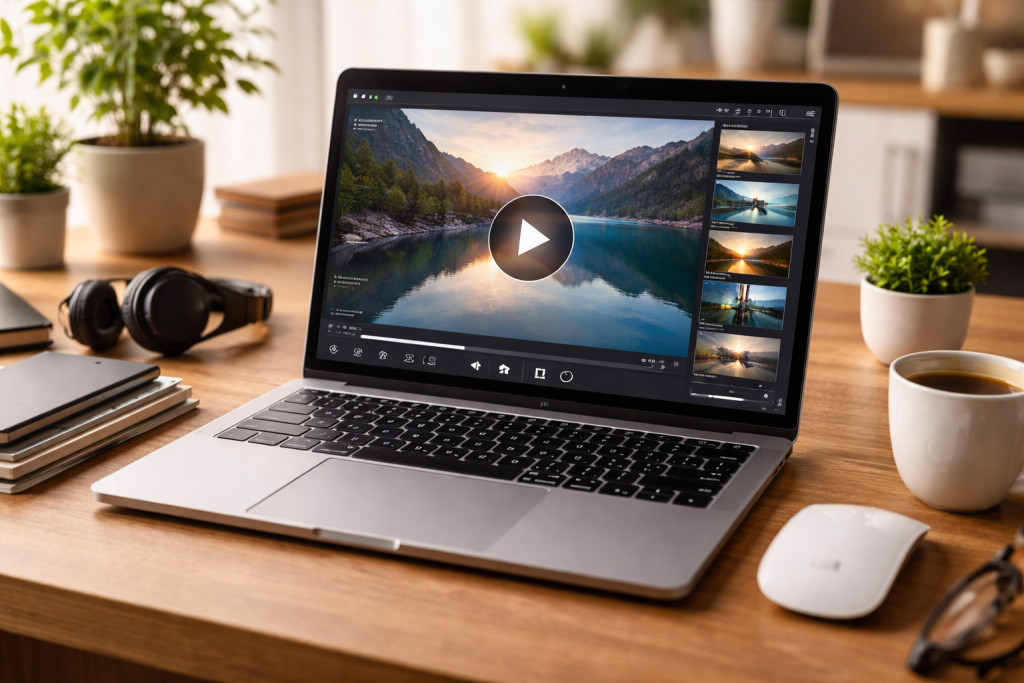
The function of media player software is to decode and present audio and video files for playback on a computer or other digital device. This software acts as a translator, converting the raw data of a digital file into a format that the user can see and hear. Without media player software, digital audio and video files would remain inaccessible, much like a locked book waiting for the right key. The quality and capabilities of this software can significantly impact how you interact with your digital media library, affecting ease of use, file compatibility, and the overall enjoyment derived from your movies, music, and other multimedia content.
Contents
- 1 Understanding the Role of Media Player Software
- 2 Comparing Leading Media Player Software Options
- 3 Enhancing Your Viewing and Listening Experience
- 4 Exploring Advanced Features and Customization
- 5 How to Choose the Right Media Player Software
- 6 FAQs
- 6.1 What is media player software and why is it important?
- 6.2 What are the top media player software options available in the market?
- 6.3 How can media player software enhance my viewing and listening experience?
- 6.4 What are the key features and functions of the best media player software?
- 6.5 How can I choose the right media player software for my needs?
Understanding the Role of Media Player Software
Media player software is a fundamental component of any digital ecosystem. It bridges the gap between digital files and human perception. Think of it as the conductor of an orchestra, taking the separate notes of a musical score and weaving them into a cohesive and harmonious performance. The complexity of this process lies in the vast array of audio and video codecs—the algorithms used to compress and decompress digital media. Different codecs are used for different file types, and effective media player software possesses the ability to recognize and handle a wide spectrum of these codecs.
The Necessity of Codec Support
The primary function of media player software is to support a broad range of codecs. When you download or acquire a media file, it is encoded using a specific codec. If your media player does not have the necessary decoder for that codec, the file will either not play at all, or it will play with significant errors, such as choppy video or garbled audio. For instance, a video file encoded with the H.265 (HEVC) codec will require a player that supports HEVC decoding. Similarly, audio files might use codecs like MP3, AAC, FLAC, or OGG Vorbis, each demanding specific support from the player. Having a player with comprehensive codec support ensures that your media library is accessible without the constant need for additional plugins or conversions, saving time and preventing frustration.
User Interface and Experience
Beyond technical capabilities, the user interface (UI) and user experience (UX) are crucial aspects of media player software. A well-designed interface makes it easy to navigate your media library, control playback functions, and access advanced settings. This includes features like clear playback controls (play, pause, stop, seek), volume adjustments, playlist management, and subtitle configuration. A cluttered or unintuitive interface can turn the simple act of watching a movie into a chore, whereas a streamlined and user-friendly design enhances the overall enjoyment and efficiency of your media consumption.
Comparing Leading Media Player Software Options
The market offers a diverse range of media player software, each with its own strengths and weaknesses. Selecting the right one often depends on individual needs and preferences, but understanding the prominent players provides a solid foundation for making an informed choice. These software options vary in terms of their feature sets, performance, platform compatibility, and licensing models.
Versatile All-Rounders
Some media players are designed to handle nearly any audio or video format out of the box, often referred to as “all-in-one” solutions. These applications minimize the need for manual codec installations and offer a broad spectrum of playback capabilities. They aim to be the go-to solution for users who want a hassle-free experience and a player that “just works” with most files. This versatility makes them particularly attractive to users with diverse media collections.
Lightweight and Efficient Choices
Conversely, other media players prioritize minimal resource usage and straightforward functionality. These are often favored by users with older hardware or those who prefer a simple, unobtrusive playback experience. While they might not boast the extensive feature sets of their more complex counterparts, they excel at core playback tasks and can be very responsive. Their efficiency ensures that playback is smooth, even on less powerful systems.
Open-Source Powerhouses
A significant category of media player software falls under the open-source umbrella. These applications are developed and maintained by communities of volunteers, often resulting in robust functionality and a commitment to user freedom. Open-source players frequently offer advanced customization options and are known for their broad codec support. Their transparent development process allows for rapid identification and resolution of bugs, and users can often contribute to their improvement.
Enhancing Your Viewing and Listening Experience
Media player software is not merely a tool for playback; it is also a platform for enhancing the multimedia experience. Beyond simply decoding files, these programs offer a variety of features that can refine audio and video quality, improve accessibility, and provide greater control over how you consume your media.
Audio and Video Quality Adjustments
Many advanced media players allow users to fine-tune audio and video parameters. This can include adjusting brightness, contrast, saturation for video, and equalizer settings for audio. For audio, this might involve applying EQs to tailor the sound profile to your headphones or speakers, or even performing basic audio mixing. For video, adjustments can help compensate for less-than-ideal source material or optimize the picture for your display. These adjustments, though sometimes subtle, can significantly elevate the richness and clarity of your media.
Subtitle Support and Synchronization
For film and television enthusiasts, effective subtitle handling is paramount. The best media players offer robust subtitle support, allowing for easy loading of external subtitle files in various formats (e.g., SRT, ASS, SSA). Furthermore, many players provide the ability to synchronize subtitles with the video playback, enabling users to adjust the timing if the audio and subtitles are slightly out of sync. Options to change subtitle font, size, color, and position further contribute to a personalized and comfortable viewing experience.
Playlist Management and Organization
A well-organized media library is essential for efficient playback. Media player software often includes sophisticated playlist management tools. This allows users to create, edit, reorder, and save playlists for music, movies, or other media types. Features like drag-and-drop functionality, smart playlists that automatically populate based on criteria, and the ability to group content by artist, genre, or custom tags transform a chaotic collection into a curated experience.
Exploring Advanced Features and Customization
| Feature/Metric | Description | Value |
|---|---|---|
| Customization Options | Number of available customization options | 20 |
| Advanced Features | Number of advanced features | 15 |
| User Engagement | Percentage of users engaging with advanced features | 75% |
| Customization Usage | Percentage of users utilizing customization options | 80% |
The most capable media player software goes beyond basic functionality, offering a deep well of advanced features and customization options. These can transform a standard player into a highly personalized multimedia hub, tailored to individual workflows and preferences.
Customization of Appearance and Behavior
The visual aspect of a media player can be tailored to match user aesthetics or improve usability. Many programs allow for the customization of skins or themes, changing the overall look and feel. Beyond aesthetics, users can often configure keyboard shortcuts, mouse actions, and gesture controls for quicker navigation and command execution. This level of customization reduces reliance on the mouse and allows for more fluid interaction with the software, especially for power users.
Network Streaming Capabilities
Modern media players often extend their reach beyond local files, offering capabilities for network streaming. This allows users to play media files directly from network-attached storage (NAS) devices, shared folders on other computers, or even stream content from the internet. Protocols like DLNA and UPnP are commonly supported, enabling seamless integration with home networks and other compatible devices. This feature unlocks access to a larger pool of media without requiring manual file transfers.
Advanced Audio and Video Filters
For audiophiles and videophiles, the ability to apply advanced filters and post-processing effects can be a significant draw. Media players may offer filters for deinterlacing, noise reduction, sharpening, color correction, and more. Similarly, audio filters can include surround sound decoding, downmixing, and dedicated audio processing pipelines. These tools provide a level of control that can polish and refine media playback to a professional standard.
Integration with External Devices
Many media players are designed to work harmoniously with external hardware. This can include support for remote controls, game controllers, or even integration with home theater systems. For users who employ dedicated display devices or audio equipment, the ability of the media player to output audio and video in optimal formats and resolutions, and to communicate with these devices, is crucial for achieving the best possible performance.
How to Choose the Right Media Player Software
Selecting the ideal media player software is akin to choosing the right tool for a specific job; the wrong choice can lead to inefficiency and compromise. Your decision should be guided by a clear understanding of your needs and the capabilities offered by different applications.
Assess Your Media Library
Begin by considering the types of media files you most commonly use. Do you primarily watch high-definition movies with a variety of video codecs? Do you listen to a large collection of lossless audio files? If your library is diverse, a player with extensive codec support will be essential. If you mostly consume common formats like MP4 and MP3, a simpler player might suffice.
Evaluate Your Hardware Capabilities
The performance of media player software can be influenced by your computer’s hardware. If you have a powerful, modern machine, you can likely run resource-intensive players with advanced features without issue. However, if you are working with an older or less powerful system, a lightweight player that consumes fewer system resources will be a more sensible choice. This prevents stuttering playback and keeps your computer responsive for other tasks.
Consider Platform Compatibility
It is crucial to select software that is compatible with your operating system. Most popular media players are available for Windows, macOS, and Linux, but their feature sets or performance might vary across platforms. Ensure that the player you choose runs smoothly on your specific operating system.
Prioritize User Experience and Features
Think about what features are most important to you. Do you need advanced subtitle control? Is playlist management a high priority? Do you intend to stream media from your network? While a player might excel in one area, it is important that it meets your core requirements for ease of use and essential functionality. A feature-rich player that is difficult to navigate can be less useful than a simpler program that is intuitive.
Research Reviews and Community Feedback
Before committing to a particular media player, it is beneficial to consult independent reviews and user feedback. Online forums and technology websites often provide in-depth comparisons and user experiences that can highlight both the strengths and potential drawbacks of various software options. This collective knowledge can offer valuable insights that might not be apparent from the software’s feature list alone. Look for feedback regarding stability, performance with different file types, and the responsiveness of customer support if applicable.
Licensing and Cost
Media player software comes in various licensing models, from free and open-source to commercial. While many excellent free options are available, paid software may offer more polished interfaces, dedicated support, or exclusive features. Assess your budget and determine whether a free solution adequately meets your needs or if investing in a commercial product would be a better long-term choice. For most users, free and open-source options offer more than enough functionality.
FAQs
What is media player software and why is it important?
Media player software is a program that allows users to play various types of media files, such as audio and video. It is important because it provides a platform for users to organize, manage, and enjoy their media content in a seamless and user-friendly manner.
What are the top media player software options available in the market?
Some of the top media player software options available in the market include VLC Media Player, Windows Media Player, Kodi, Plex, and MediaMonkey. Each of these options offers unique features and functionalities to enhance the viewing and listening experience.
How can media player software enhance my viewing and listening experience?
Media player software can enhance your viewing and listening experience by providing features such as high-quality audio and video playback, support for various file formats, customizable settings for audio and video playback, and the ability to organize and manage your media library effectively.
What are the key features and functions of the best media player software?
The best media player software typically offers features such as support for a wide range of audio and video formats, customizable playback options, media library management, streaming capabilities, and compatibility with various devices and operating systems.
How can I choose the right media player software for my needs?
When choosing the right media player software, consider factors such as the types of media files you frequently use, your preferred customization options, compatibility with your devices, and any specific features or functionalities that are important to you. It’s also helpful to read reviews and compare different options before making a decision.

Hamza Khan is the author and founder of TechFixLogic.info, a platform dedicated to providing practical software guides, tech solutions, and cybersecurity awareness. With a strong interest in technology and digital security, Hamza focuses on creating easy-to-understand tutorials that help users fix software issues, improve their digital skills, and stay safe online.
Through TechFixLogic.info, he shares step-by-step guides, troubleshooting tips, and cybersecurity insights designed for beginners as well as regular computer users. His goal is to simplify technology and make reliable tech knowledge accessible to everyone.


