
Contents
- 1 Automatic Software Updates
- 2 What are Automatic Software Updates?
- 3 The Importance of Keeping Software Up to Date
- 4 How Automatic Updates Can Simplify Your Life
- 5 The Benefits of Automatic Software Updates
- 6 How Automatic Updates Can Improve Security
- 7 Saving Time and Effort with Automatic Updates
- 8 Avoiding Compatibility Issues with Automatic Updates
- 9 The Convenience of Automatic Updates
- 10 How Automatic Updates Can Enhance Performance
- 11 Tips for Managing Automatic Software Updates
- 12 FAQs
Automatic Software Updates
The practice of automatically updating software offers a range of advantages that can streamline digital experiences and enhance system integrity. This approach removes the manual burden of checking for and installing updates, freeing up user time and mitigating potential risks associated with outdated software.
What are Automatic Software Updates?
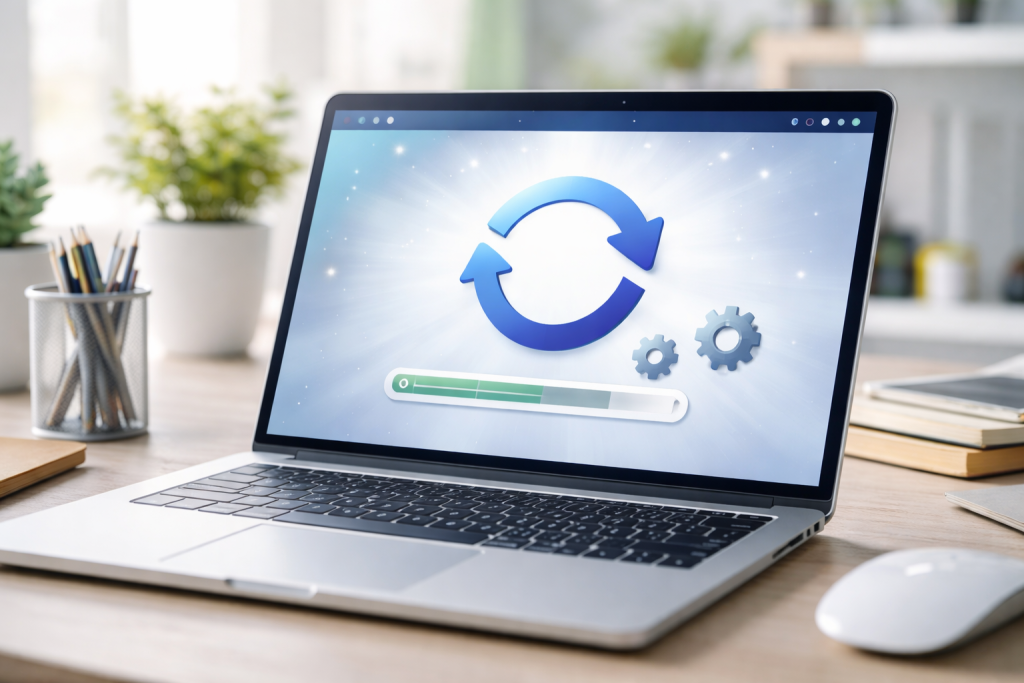
Automatic software updates are a feature within many operating systems and applications that allow them to download and install new versions, patches, or bug fixes without direct user intervention. This process operates in the background, often during periods of inactivity or according to a predefined schedule. The intention is to ensure that software remains current, addressing security vulnerabilities and introducing improvements seamlessly. Instead of being an active participant in the update lifecycle, the user delegates this responsibility to the software itself. This is akin to having a diligent gardener who regularly tends to your plants, ensuring they are healthy and thriving without you needing to constantly monitor their growth. The software, in this metaphor, becomes the gardener, performing essential maintenance tasks to keep the digital ecosystem in good working order.
The Mechanism Behind Automation
The specifics of how automatic updates function vary depending on the operating system and the application. However, the core principle involves a mechanism that periodically checks a remote server for newer versions of the installed software. When a new version is detected, the system initiates a download. Depending on user settings, this download can occur at any time, but the installation often happens when the system is idle or has been shut down and restarted. Some systems may offer options to schedule installations for specific times or to notify the user before proceeding with the installation. This background activity is designed to be as unobtrusive as possible, minimizing disruption to the user’s workflow.
Types of Automatic Updates
Automatic updates can encompass several types of software modifications. These include:
Security Patches
These are critical updates designed to address vulnerabilities discovered in the software that could be exploited by malicious actors. Keeping software updated with the latest security patches is a primary defense against cyber threats.
Feature Updates
These updates introduce new functionalities and enhancements to the software, improving its capabilities and user experience. They are often larger in scope than security patches and may significantly alter how the software operates.
Bug Fixes
These updates resolve issues or errors within the software that can cause crashes, unexpected behavior, or incorrect results. Bug fixes aim to stabilize and improve the reliability of the application.
User Control and Customization
While the essence of automatic updates is their hands-off nature, most systems provide a degree of user control. Users can typically choose to enable or disable automatic updates altogether, or they may have options to control when updates are downloaded and installed. For instance, some systems allow users to specify preferred installation times or to be prompted before an update is applied. This balance between automation and user agency allows for a personalized approach to software maintenance.
The Importance of Keeping Software Up to Date
The digital landscape is in constant flux, with new threats emerging and new technologies being developed at a rapid pace. In this dynamic environment, maintaining current software is not merely a recommendation; it is a necessity for effective and safe digital engagement. Outdated software can leave systems vulnerable and can hinder access to new features and functionalities.
The Evolving Threat Landscape
Cybersecurity is an ongoing battle, and software vulnerabilities are the battlegrounds. Developers continuously work to identify and patch flaws in their products that could be exploited by hackers. These vulnerabilities can range from minor glitches to significant security holes that could compromise sensitive data or allow unauthorized access to a system. When software is not updated, these known weaknesses remain exposed, acting like unlocked doors in a digital fortress. Each unpatched vulnerability is an invitation for those seeking to breach security.
Zero-Day Exploits
A particularly concerning aspect of the threat landscape is the existence of “zero-day exploits.” These are attacks that target previously unknown vulnerabilities for which no patch exists yet. While automatic updates cannot prevent these, they are crucial for protecting against the vast majority of known and publicly disclosed vulnerabilities. The immediate application of security patches from automatic updates significantly reduces the window of opportunity for attackers.
Impact on System Stability and Performance
Software updates often include optimizations that can improve the speed, responsiveness, and overall stability of an application or operating system. Bugs that cause crashes, slowdowns, or erratic behavior are identified and fixed through updates. Running outdated software can lead to a cascade of problems, impacting not just the individual application but the entire system’s performance. Think of it as driving a car with a worn-out engine; it will sputter, lose power, and eventually break down. Regular updates are the equivalent of routine maintenance for your digital vehicle, ensuring it runs smoothly.
Access to New Features and Functionality
Software development is iterative. New versions of applications and operating systems are released with new tools, improved interfaces, and expanded capabilities. These advancements are often locked behind the requirement to update. By embracing automatic updates, users ensure they have access to the latest innovations, enabling them to leverage new features and improve their productivity or enjoyment. This is akin to having a subscription to the latest edition of a valuable manual, ensuring you always have the most current information and tools at your disposal.
Compliance and Compatibility
In professional and educational settings, maintaining up-to-date software is often a requirement for compliance with industry standards or institutional policies. Furthermore, newer software versions are frequently designed to work best with other updated systems and applications. Running outdated software can lead to compatibility issues, where new files or features from updated programs cannot be opened or used by older versions. This can create frustrating roadblocks and necessitate costly workarounds.
How Automatic Updates Can Simplify Your Life
The manual process of managing software updates can be a time-consuming and often forgotten chore. Automatic software updates alleviate this burden, introducing a layer of convenience and efficiency into digital management.
Eliminating the Mundane Task of Manual Updating
For many users, the act of checking for, downloading, and installing software updates is a task that is frequently postponed. This can be due to a lack of time, a desire to avoid potential interruptions, or simply forgetting. Automatic updates transform this obligation into a background process, requiring no conscious effort from the user. The software takes care of itself, freeing up mental space and time that can be dedicated to more important or enjoyable activities. This is like having a personal assistant who handles all your administrative tasks without needing constant supervision.
Reducing the Cognitive Load of Software Management
The sheer volume of software installed on a typical computer or mobile device can make manual update management overwhelming. Keeping track of which applications need updates, what needs to be restarted, and when to perform these tasks adds a layer of cognitive complexity. Automatic updates abstract away this complexity. The system intelligently manages its own maintenance, allowing users to focus on using their devices rather than managing them. This reduces the mental overhead associated with digital upkeep.
Avoiding “Update Fatigue”
The constant notifications and prompts for software updates can lead to a phenomenon known as “update fatigue,” where users become desensitized to these requests and begin to ignore them. This often results in important security or performance updates being missed. Automatic updates circumvent this by applying updates without prompting, ensuring that essential changes are implemented without contributing to user annoyance.
A Streamlined Digital Experience
By ensuring that all software components are operating with the latest available versions, automatic updates contribute to a smoother and more consistent digital experience. Applications are less likely to crash, features function as intended, and the overall interaction with the device feels more polished and reliable. This lack of friction allows users to engage with their technology more effortlessly, promoting a sense of digital well-being.
The Benefits of Automatic Software Updates
| Benefits of Automatic Software Updates |
|---|
| 1. Improved Security |
| 2. Bug Fixes |
| 3. Performance Enhancements |
| 4. Compatibility with New Technologies |
| 5. Enhanced User Experience |
The implementation of automatic software updates yields a multitude of advantages, impacting security, efficiency, and overall user experience. These benefits collectively contribute to a more robust and user-friendly digital environment.
Enhanced System Security
Perhaps the most significant benefit of automatic software updates is the bolstering of system security. As previously mentioned, software vulnerabilities are constantly being discovered. Security patches are released by developers to address these weaknesses. Automatic updates ensure these patches are applied promptly. This is fundamentally important because it closes the windows of opportunity for cybercriminals. Without automatic updates, users might miss critical patches for weeks or even months, leaving their systems exposed to known and exploitable threats. Consider security updates as closing the locks on your house after a new potential entry point is identified; automatic updates ensure this is done consistently and without delay.
Protection Against Malware and Exploits
Many malware infections and successful cyberattacks exploit known vulnerabilities in operating systems and applications. When your software is up-to-date, these common entry points are sealed. This significantly reduces the risk of falling victim to viruses, ransomware, spyware, and other forms of malicious software. The proactive nature of automatic updates creates a stronger digital perimeter.
Maintaining Data Integrity and Privacy
Beyond system compromise, vulnerabilities can also lead to the theft or corruption of personal and sensitive data. By keeping software current, you are actively protecting your information from unauthorized access and manipulation. This is crucial for maintaining privacy and ensuring the integrity of your digital assets.
Time and Effort Savings
The manual management of software updates consumes valuable time and cognitive effort. Users often have to:
Checking for Updates
Regularly navigating to update sections of various applications and operating systems to see if new versions are available.
Downloading Updates
Waiting for updates to download, which can vary in size from a few megabytes to several gigabytes, consuming bandwidth and time.
Installing Updates
Initiating the installation process, which may require restarting the computer or specific applications, further interrupting workflow.
Automatic updates effectively eliminate these steps. The system handles the checking, downloading, and installation autonomously, freeing up user time and reducing the mental burden associated with software maintenance. This time can then be redirected towards more productive or enjoyable activities.
Improved System Performance and Stability
Software updates are not solely about security; they also frequently include performance enhancements and bug fixes. Developers work to optimize code, improve resource allocation, and resolve issues that can cause applications to run slowly, crash, or behave unexpectedly.
Smoother Application Operation
When applications are running optimized versions, they tend to perform more smoothly and efficiently. Tasks are completed faster, and user interactions feel more responsive. This leads to a more fluid and less frustrating user experience.
Reduced System Crashes and Errors
Bug fixes are a core component of software updates. By automatically applying these fixes, the likelihood of encountering unexpected errors or application crashes is significantly reduced. This contributes to a more stable and reliable computing environment.
Seamless Compatibility
As the digital ecosystem evolves, ensuring that different software components can communicate and work together effectively is essential. Updates often include improvements to compatibility with newer hardware, operating systems, and other applications.
Interoperability with Other Systems
When your software is up-to-date, it is more likely to be compatible with other up-to-date systems and services. This is important for collaboration, sharing files, and accessing online resources. Problems can arise when a newer version of one application needs to interact with an older version of another, leading to data corruption or functionality loss.
Future-Proofing
By keeping software current, you are better positioned to take advantage of future technological advancements. New hardware or software releases are usually designed to work with the latest versions of operating systems and applications.
How Automatic Updates Can Improve Security
The connection between automatic software updates and enhanced security is profound and multi-faceted. In the realm of digital safety, timeliness is paramount, and automatic updates excel in this regard. By consistently ensuring that software is running the latest available code, users build a more formidable defense against a wide array of cyber threats.
Closing Known Vulnerabilities Swiftly
As previously elaborated, software, in its complexity, can contain flaws. These vulnerabilities, when discovered, are addressed by developers through the release of security patches. The speed at which these patches are applied is critical. When updates are manual, there is a gap between the discovery of a vulnerability and its remediation. During this interval, systems remain exposed. Automatic updates, by their very nature, aim to minimize this gap. They act as a rapid response team, deploying the necessary fixes as soon as they are available, effectively patching the holes before they can be exploited. This is akin to reinforcing a wall as soon as a weak point is identified, rather than waiting for an intrusion.
The Race Against Exploitation
Cybercriminals actively scan for systems running outdated software with known vulnerabilities. The moment a security patch is released, a race begins. Those who update quickly are safer. Automatic updates place the user on the winning side of this race by default. This proactive approach is far more effective than relying on reactive measures taken only after a breach has occurred.
Mitigating the Impact of Zero-Day Exploits (Indirectly)
While automatic updates cannot prevent attacks that exploit unknown vulnerabilities (zero-day exploits), their consistent application of known fixes creates a more resilient system overall. A system that is consistently updated is less likely to have multiple exploitable weaknesses. If a zero-day exploit targets one part of the system, other components, which have been diligently patched through automatic updates, remain secure. This layered defense is crucial.
Protecting Against Malware and Ransomware
A significant portion of malware, including destructive ransomware and sophisticated spyware, relies on exploiting software vulnerabilities to gain access to systems. By keeping your operating system, web browsers, and other applications updated automatically, you significantly reduce the attack surface available to these threats. This proactive measure is often more effective than relying solely on antivirus software, which primarily targets known malware signatures.
Preventing Drive-By Downloads
Some malicious websites can install malware simply by a user visiting them, a process often referred to as “drive-by downloading.” This usually occurs when a vulnerability in a user’s web browser or its plugins is exploited. Keeping these components updated automatically creates a barrier against such attacks.
Safeguarding Sensitive Data
The compromise of personal and financial information is a primary concern for many individuals and organizations. Software vulnerabilities can be exploited to steal login credentials, credit card numbers, personal files, and other sensitive data. Automatic updates help to secure the pathways that could be used for such data breaches, maintaining the integrity and privacy of your digital information.
Uninterrupted Operations
Beyond direct data theft, compromised systems can lead to significant operational disruptions and financial losses. Ransomware, for example, can encrypt all files on a system, demanding a ransom for their decryption. By preventing the initial compromise through timely updates, automatic updates contribute to the continuity of your digital operations.
Saving Time and Effort with Automatic Updates
The administrative overhead associated with managing software updates can be considerable, detracting from more engaging or productive tasks. Automatic software updates champion efficiency by offloading this responsibility.
Eliminating the Need for Manual Checks
Users are no longer required to periodically visit update menus or launch specific update utilities to ascertain the status of their software. The system performs these checks autonomously and in the background. This frees up a significant amount of time previously spent on this routine, often tedious, activity. This is akin to having a diligent assistant who handles all your appointments without you needing to remember to schedule them.
Streamlining the Download and Installation Process
The act of downloading and installing updates can be time-consuming, especially with larger software packages or slower internet connections. Automatic updates manage this entire process without user intervention. The software intelligently determines when to download and install, often capitalizing on periods of low system usage to minimize disruption. This removes the need for the user to allocate specific blocks of time for these procedures.
Avoiding Interrupted Workflows
Manual updates can often necessitate restarts of applications or the entire operating system, leading to interruptions in ongoing work. Automatic updates are frequently designed to install during idle times or at system startup, thus minimizing the impact on the user’s active tasks. The system is maintained without the user necessarily noticing the underlying processes at work.
Reducing Cognitive Load
The sheer volume of software on modern devices means that managing updates manually can be a complex undertaking. Keeping track of which applications need updating, the status of those updates, and any required restarts can impose a significant cognitive burden. Automatic updates simplify this by abstracting the entire process. The user can focus on using their devices rather than managing their maintenance. This reduction in administrative complexity allows for a more streamlined and less stressful digital experience.
Preventing “Update Fatigue”
The constant barrage of update notifications and prompts can lead to user fatigue, where individuals begin to ignore these calls to action, potentially missing critical security updates. Automatic updates circumvent this by performing the necessary actions without requiring constant user input, thereby ensuring that essential maintenance is completed without contributing to notification overload.
Avoiding Compatibility Issues with Automatic Updates
Compatibility is a cornerstone of a functional digital environment. Applications and operating systems must be able to work in harmony to provide a seamless user experience. Outdated software can create friction in this ecosystem, leading to a host of problems. Automatic updates play a vital role in preventing these issues.
Ensuring Seamless Integration with New Technologies
As technology advances, software developers release new versions of their products that are designed to integrate with newer operating systems, hardware, and other applications. When software is kept up-to-date through automatic updates, users are better positioned to benefit from these advancements. For example, a new version of a graphics card driver might require the latest version of the operating system to function optimally. Automatic updates ensure this compatibility is maintained.
Future-Proofing Your Digital Environment
By keeping your software current, you are, in essence, future-proofing your digital environment. New software releases and hardware upgrades are often designed with the assumption that users are running the latest stable versions of their operating systems and core applications. This proactive approach reduces the likelihood of encountering compatibility roadblocks when adopting new technologies.
Interoperability Between Applications
In many cases, different applications on a system need to interact with each other. This can involve sharing data, using common libraries, or integrating with system services. If one application is significantly outdated while others are current, interoperability issues can arise. For instance, a newer version of a word processor might utilize advanced formatting features that an older version of a PDF reader cannot correctly interpret. Automatic updates ensure that the software components on your system are speaking a similar digital language, fostering smooth communication.
A Unified Digital Experience
When all your software components are reasonably current, the overall digital experience is more unified. Files open as expected, features function across applications, and the system operates as a cohesive unit. This is analogous to an orchestra where all musicians are playing from the same sheet music; the resulting harmony is far greater than if each musician were improvising independently.
Preventing Data Corruption and Loss
Compatibility issues can sometimes lead to data corruption or loss. If an application attempts to save data in a format that a receiving application cannot understand or process correctly, the data can become garbled or unreadable. By maintaining a consistent level of software currency, the risk of such data integrity issues is significantly reduced.
Reliability through Consistency
The consistency provided by automatic updates contributes to the overall reliability of your digital tools. When you know that your applications are working with compatible versions of other software, you can have greater confidence in the integrity of your data and the predictable functioning of your digital tasks.
The Convenience of Automatic Updates
The primary appeal of automatic software updates lies in the inherent convenience they offer. By automating a process that can be perceived as tedious, these updates allow users to focus on the core tasks they wish to accomplish with their digital devices.
Reduced User Intervention
The most significant convenience factor is the minimal intervention required from the user. Instead of scheduling time to check for, download, and install updates, the process occurs in the background. This frees up user time and cognitive energy, allowing them to concentrate on their digital activities without the distraction of software maintenance. It is akin to having a service that automatically replenishes your supplies without you having to remember to order them.
“Set It and Forget It” Approach
For many users, the ability to “set it and forget it” regarding software updates is a major benefit. Once enabled, automatic updates require no further action, ensuring that the software remains current without ongoing user effort. This is particularly valuable for individuals with busy schedules or those who prefer a hands-off approach to technology management.
Consistent and Reliable Performance
By ensuring that software is always running the latest stable versions, automatic updates contribute to a more consistent and reliable user experience. Applications are less likely to crash, performance issues are minimized, and features function as intended. This predictability allows users to work and play with greater assurance.
Minimizing Unexpected Disruptions
Manual updates can sometimes lead to unexpected disruptions, such as mandatory restarts or application incompatibilities. Automatic updates are often designed to install during periods of low activity or to prompt for a restart only when absolutely necessary, thereby minimizing the impact on the user’s workflow.
Enhanced Security Without User Effort
The critical security benefits of keeping software updated are delivered with minimal user effort. Users gain protection against evolving cyber threats without having to actively manage patches and vulnerability fixes. This passive enhancement of security is a significant convenience, providing peace of mind without additional burdens.
Proactive Protection
Automatic updates offer a form of proactive protection. The system is continuously fortified against known threats without the user needing to be an expert in cybersecurity. This convenience empowers less tech-savvy users to maintain a secure digital environment.
Access to Latest Features and Improvements
Updates often bring new features, interface enhancements, and performance optimizations. Automatic updates ensure that users have ready access to these improvements as soon as they are released, allowing them to take advantage of the latest technological advancements without the manual effort of seeking them out.
Staying Current Effortlessly
This ensures that users are not left behind with outdated software, benefiting from the continuous evolution of their digital tools without the need for active engagement in the update process. This effortless acquisition of improvements contributes to a more modern and efficient digital experience.
How Automatic Updates Can Enhance Performance
The performance of digital devices and applications is a critical factor in user satisfaction and productivity. While security is often the primary driver for software updates, performance enhancements are a significant and often overlooked benefit. Automatic updates play a crucial role in ensuring that software operates at its optimal level.
Optimized Code and Resource Management
Software developers continuously work to refine their code to improve efficiency and reduce resource consumption. Updates frequently include optimizations that allow applications to run faster, use less memory, and consume less processing power. For instance, a web browser update might include new rendering engines that display web pages more quickly or process JavaScript more efficiently. This translates to a snappier and more responsive user experience. Imagine a well-tuned engine; it runs smoother, uses less fuel, and provides better acceleration, all thanks to meticulous engineering and regular maintenance. Automatic updates ensure your digital “engine” is similarly optimized.
Faster Application Load Times
Many updates focus on improving the startup times of applications. By optimizing how applications load their necessary components and resources, users can launch their preferred software with less waiting time, leading to a more efficient workflow.
Improved Responsiveness and Smoothness
Updates can also address issues that cause applications to feel sluggish or unresponsive. By improving how the software interacts with the operating system and hardware, developers can ensure that user actions are registered and executed more quickly, leading to a smoother and more fluid interaction with the software.
Bug Fixes that Impact Speed and Stability
While bug fixes are primarily aimed at resolving errors, many bugs can directly impact performance. For example, a memory leak in an application can gradually consume system resources, leading to slowdowns and eventual system instability. By automatically applying fixes for such issues, updates help to maintain optimal performance over time.
Eliminating Performance Bottlenecks
Automatic updates proactively address bugs that might be acting as performance bottlenecks, ensuring that the software runs without unnecessary hindrances. This leads to a more consistent and predictable performance experience.
Enhanced Compatibility with Newer Hardware
As new hardware is developed, software must be updated to take full advantage of its capabilities. Updates can include drivers and optimizations that allow applications to communicate more effectively with newer processors, graphics cards, and other hardware components. This ensures that users can benefit from the latest hardware advancements without their software becoming a limiting factor.
Unleashing Hardware Potential
Without these updates, even the most powerful hardware might not perform at its peak because the software running on it is not optimized to utilize its full potential. Automatic updates bridge this gap, ensuring that the software is attuned to the capabilities of the underlying hardware.
Streamlined Data Processing and Handling
Many updates involve improvements to how software processes and handles data. This can include faster algorithms for file operations, more efficient data compression, or improved database query performance. By keeping software updated, users benefit from these advancements, leading to quicker data manipulation and more efficient workflows.
Quicker File Operations
Whether it’s saving a document, opening a large spreadsheet, or transferring files, performance improvements in data handling can significantly speed up common tasks, contributing to overall productivity.
Tips for Managing Automatic Software Updates
While automatic software updates offer significant advantages, a degree of thoughtful management can further enhance their effectiveness and ensure they align with individual user needs and preferences. This involves understanding the available settings and adopting a proactive approach to software maintenance.
Understand Your Operating System’s Update Settings
The first step in managing automatic updates is to familiarize yourself with the specific settings provided by your operating system (e.g., Windows, macOS, iOS, Android). These settings often allow you to:
Enable or Disable Automatic Updates
You can typically choose whether to allow automatic updates entirely. While generally recommended to keep them enabled, understanding this option is crucial.
Control Download and Installation Times
Many systems offer the ability to schedule when updates are downloaded and installed. This can be useful for network bandwidth management or to avoid interruptions during critical work periods. For instance, you might opt to have large updates download overnight.
Receive Notifications
You may have the option to receive notifications before an update is installed or when a significant update is available. This allows for an informed decision if you wish to intervene.
Schedule Regular System Restarts
Even with automatic updates, a system restart is often required for certain updates to be fully implemented. Encouraging or scheduling regular system restarts ensures that these pending updates are applied effectively, preventing potential conflicts or outdated components from lingering. This is like periodically airing out a room to allow freshness to circulate.
The “Fresh Start” Phenomenon
A restart can clear temporary files, reset processes, and ensure that all installed software components are loaded from their most recent versions, contributing to better overall system stability and performance, beyond just update implementation.
Monitor Storage Space
Software updates, especially feature updates, can consume significant storage space. Before enabling automatic updates, particularly for operating system updates, ensure you have adequate free space on your device. Regularly monitoring your storage can prevent updates from failing due to insufficient capacity.
Proactive Space Management
Deleting unnecessary files, uninstalling unused applications, or moving large data to external storage or cloud services can free up the space required for seamless automatic updates.
Back Up Your Important Data
While rare, there is always a small possibility that an update could cause unforeseen issues or data corruption. Maintaining regular backups of your important files and documents is a fundamental best practice in digital management, regardless of your update strategy. This ensures that even in the unlikely event of an update-related problem, your valuable data is protected.
A Safety Net for Digital Assets
Backups act as a safety net, providing a recourse in case of unexpected data loss. This peace of mind allows you to embrace the convenience of automatic updates with greater confidence.
Be Aware of Third-Party Application Update Managers
Some applications, particularly those outside of core operating systems, have their own update mechanisms. While many of these also support automatic updates, it is beneficial to be aware of them and to configure their settings appropriately. Some users may prefer to manage these through a centralized system if their operating system supports it.
Centralized Control When Possible
Where feasible, centralizing update management through the operating system can simplify the process, although understanding the individual settings of critical third-party applications is still advisable.
Consider Network Bandwidth, Especially on Metered Connections
If you are on a metered internet connection, or if your network bandwidth is limited, you may wish to adjust the settings for automatic downloads to occur during off-peak hours or when connected to a Wi-Fi network with unlimited usage. This prevents unexpected data charges or a significant slowdown in your internet usage.
Strategic Downloading
By strategically managing when large updates are downloaded, you can optimize your internet usage and avoid impacting your daily online activities.
FAQs
1. What are Automatic Software Updates?
Automatic software updates are a feature in many software programs that allow the program to automatically check for and install updates without requiring manual intervention from the user. This helps to ensure that the software is always running the latest version with the most up-to-date features and security patches.
2. Why is it important to keep software up to date?
Keeping software up to date is crucial for maintaining the security and functionality of the program. Software updates often include bug fixes, security patches, and performance improvements that help to protect against potential security vulnerabilities and ensure that the program runs smoothly.
3. How can Automatic Updates simplify your life?
Automatic updates can simplify your life by eliminating the need for manual intervention to keep software up to date. This saves time and effort, as the software will automatically handle the update process without requiring the user to remember to check for updates and install them.
4. What are the benefits of Automatic Software Updates?
The benefits of automatic software updates include improved security, time and effort savings, enhanced performance, and the avoidance of compatibility issues. By keeping software up to date, users can also benefit from access to the latest features and improvements.
5. How can Automatic Updates improve security?
Automatic updates improve security by ensuring that software is always running the latest version with the most up-to-date security patches. This helps to protect against potential security vulnerabilities and reduces the risk of exploitation by malicious actors.

Hamza Khan is the author and founder of TechFixLogic.info, a platform dedicated to providing practical software guides, tech solutions, and cybersecurity awareness. With a strong interest in technology and digital security, Hamza focuses on creating easy-to-understand tutorials that help users fix software issues, improve their digital skills, and stay safe online.
Through TechFixLogic.info, he shares step-by-step guides, troubleshooting tips, and cybersecurity insights designed for beginners as well as regular computer users. His goal is to simplify technology and make reliable tech knowledge accessible to everyone.